Austrian Scientists & Scholars
in North America

Innate immune memory - how past infections influence future diseases

ASciNA invites you to our next virtual talk on Friday, February 20, 2025, at 9 am PT / 12 pm ET / 18 Uhr CET

Abstract

Our immune system has the remarkable ability to remember past infections. Adaptive immune memory is highly specific and targets previously encountered pathogens. This powerful defense mechanism allows for rapid eradication of familiar pathogens and forms the basis of vaccines. However, some viruses, such as influenza, are constantly changing, which makes adaptive immune memory less effective in preventing disease.

Fortunately, our immune system is also capable of developing a broader form of immune memory. These innate memory responses are not pathogen-specific and therefore provide a general boost to future immune responses, enabling cross-pathogen protection. However, we still lack an understanding of the molecular mechanisms that are responsible for this form of immune memory and how we can harness this phenomenon to develop broadly effective therapies.

In this research project, we focused on innate immune memory in the context of commonly circulating respiratory viruses with pandemic potential. Using a disease-relevant mouse model of SARS-CoV-2 infection, we identified formation of innate immune memory in airway-resident macrophages, which are the first line of defense against respiratory pathogens. We that the antiviral immune messenger type I interferon was critical for establishment of this memory, which allowed much more effective future antiviral responses. Remarkably, this antiviral innate immune memory in alveolar macrophages following SARS-CoV-2 infection proved potent enough to protect mice from severe disease caused by the unrelated respiratory pathogen influenza A virus. By uncovering the molecular basis of antiviral innate immune memory in the airway, our findings highlight a potential path toward broadly effective therapeutic strategies and increased pandemic preparedness.

The Speaker

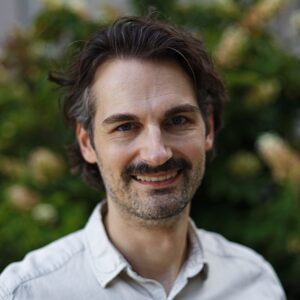
Alexander Lercher

Alexander Lercher obtained his PhD in immunology from the Medical University Vienna in 2020. In his doctoral thesis, he investigated the crosstalk of viral pathogens, host metabolism and immune responses. He is currently a postdoctoral fellow at the Rockefeller University in New York, where he studies long-term consequences of infectious diseases. His research particularly focuses on the formation of pathogen-independent innate immune memory, which can influence disease caused by unrelated secondary pathogens.

Alexander Lercher is currently an HFSP long-term fellow and Harvey L. Karp postdoctoral fellow in the laboratory of Charles M. Rice at the Rockefeller University in New York. His research focuses on immunological decision points shaping viral disease and how past inflammatory events can result in durable antigen-independent innate immunity, enabling cross-protection against heterologous pathogens. He recently uncovered a mechanism whereby past SARS-CoV-2 infection and type I interferon signaling leads to establishment of epigenetic memory in alveolar macrophages that specifically enhances secondary antiviral responses. This potent antiviral innate immune memory was necessary and sufficient to ameliorate disease caused by secondary infection with the unrelated respiratory pathogen influenza A virus.

Alex earned his Ph.D. in Immunology in 2020 under the mentorship of Andreas Bergthaler at CeMM, Vienna, where he investigated immune-metabolic crosstalk in viral hepatitis. He discovered that antiviral type I interferon signaling leads to profound metabolic reprogramming in hepatocytes, which in turn alters circulating metabolite levels during viral infection. This altered serum metabolite homeostasis – particularly in levels of the amino acid arginine and its downstream metabolite, ornithine – creates a tissue-protective feedback loop by dampening antiviral T cell responses and T cell mediated tissue damage. Alex obtained his Master’s degree from the University of Vienna in 2015, studying virus-host interaction and molecular determinants of chronic viral infection.

Alexander Lercher
Alexander Lercher, PhD

Date & Time

Date: Thursday, Friday 20, 2025

Time: 9 am PT / 12 pm ET / 18 Uhr CET

How to access the Zoom link:

  • On the event page, under “Location” click “Access Link” to get to the page with access to the Zoom link.
  • After you register for the event, you receive an order confirmation from Eventbrite.
  • Click on “go to my tickets”, sign into Eventbrite and click on “view links” – then click “open in zoom”.
  • The zoom link will go live 30 min. prior to the event.

Update your E-Mail preferences

Choose your Chapter

Lists